
United Kingdom
+44 (0) 1628 660600
hello@creative-computing.co.uk
hello@creative-computing.co.uk
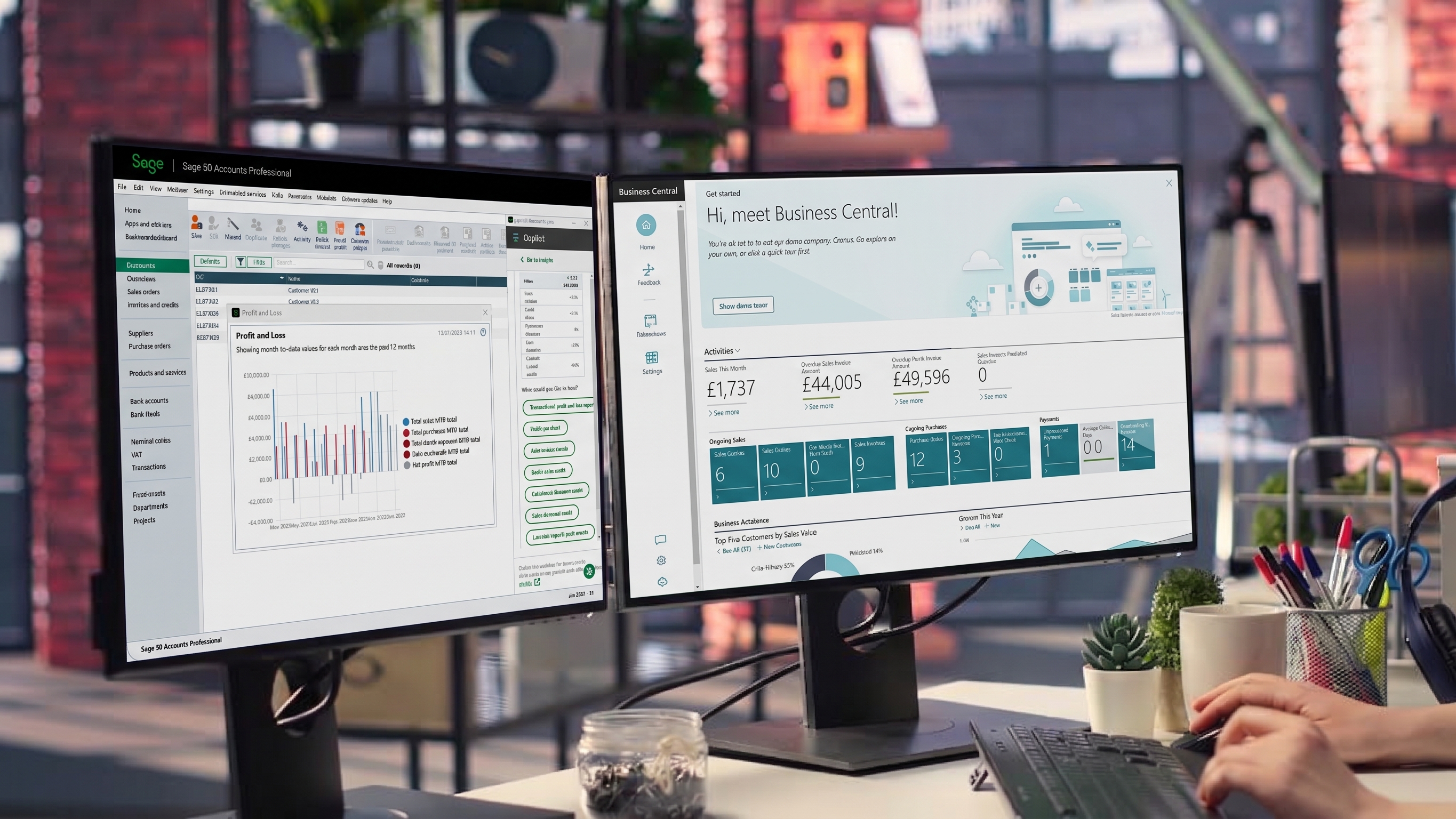
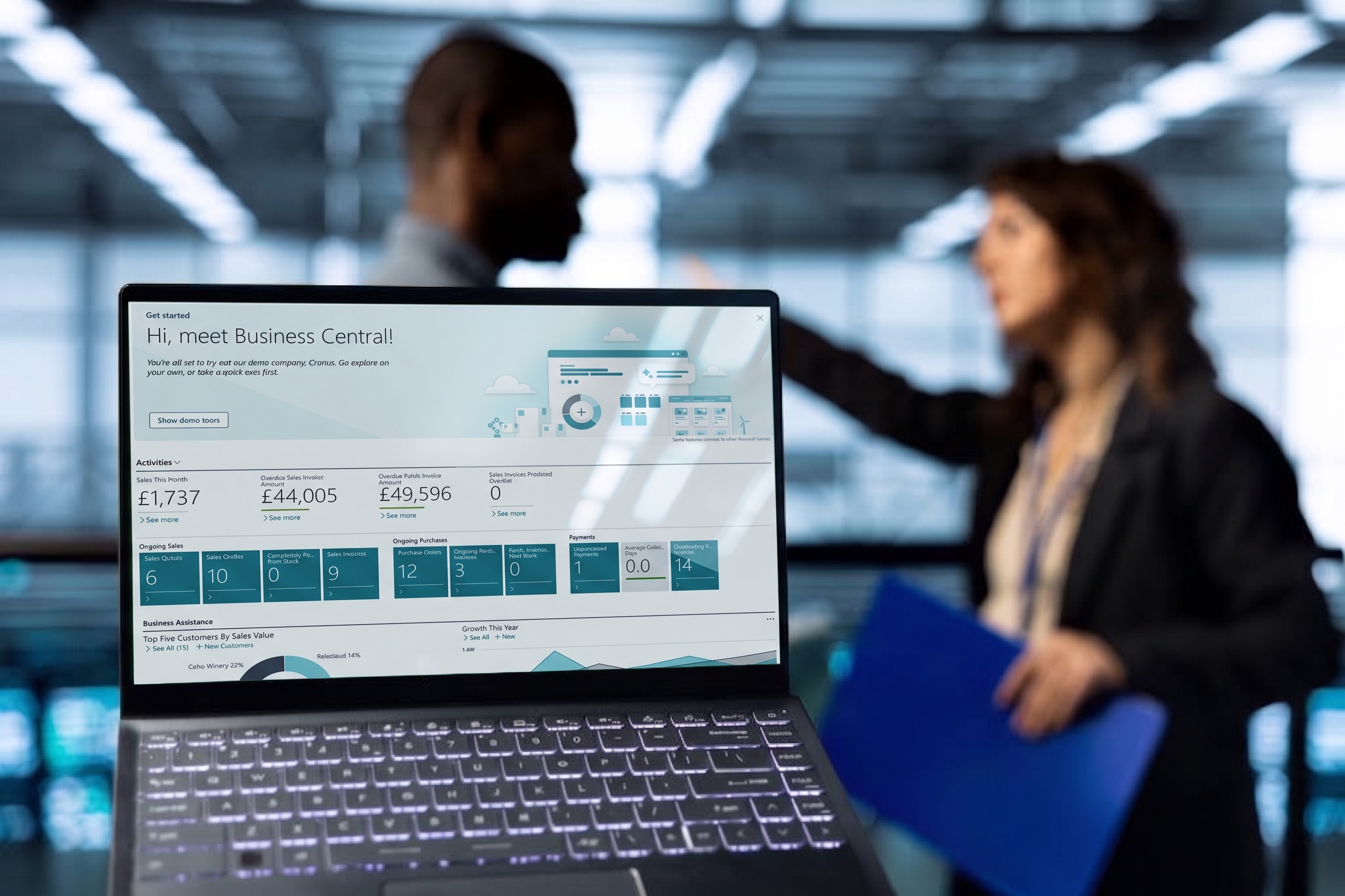
In an era defined by rapid digital transformation and intensifying competition, small and mid-sized businesses (SMBs) are seeking modern ERP solutions that offer agility, visibility, and tangible ROI. Microsoft Dynamics 365 Business Central has emerged as one of the most compelling options on the market, fuelled by cloud growth, seamless integration with the Microsoft ecosystem, and data-driven decision-making. As digital priorities continue to shift in 2026, Business Central is helping organisations break free from fragmented systems and unlock sustainable growth.
Market Momentum: Growth and Adoption Trends
Business Central’s footprint has expanded significantly over the past few years, especially in cloud deployments. The platform now serves tens of thousands of companies worldwide, with Creative’s own website highlighting over 50,000 businesses using Business Central to streamline operations, unify financials and improve visibility into key business metrics.
This rapid adoption reflects a broader industry trend toward cloud-first ERP. Analysts report consistent double-digit annual growth for Business Central as companies migrate from legacy on-premise systems to flexible SaaS models that lower total cost of ownership, simplify implementation, and accelerate feature rollout.
Such momentum is particularly notable in Europe, where Business Central’s localisation for regulatory compliance and multi-country operations has driven uptake in the UK, Germany and beyond, positioning it as a trusted choice for finance, distribution and manufacturing SMBs.
Business Central’s Strategic Edge for Modern SMBs
What’s behind this growth? At its core, Business Central provides a complete, cloud-native ERP solution that unifies core business functions, from finance and inventory to operations and reporting, into a single, scalable platform.
Here are the key trends shaping its impact:
1. Productivity and ROI
Implementations of Business Central are delivering strong returns. Organisations routinely report significant operational improvements, including substantial productivity gains for finance teams and streamlined month-end closes, with some studies suggesting average ROI as high as 265 % over three years.
These gains stem from automation that reduces manual tasks, real-time visibility that accelerates analysis, and seamless integration with widely used Microsoft tools like Excel, Outlook and Teams.
2. Cloud-first Flexibility and Scalability
Being cloud-based is now table stakes for SMB ERP. Business Central’s architecture eliminates the need for costly on-premise servers, supports anywhere, any-device access, and scales as businesses grow, making it ideal for organisations expanding into new markets or adding users without IT overhead.
3. AI-powered Insights
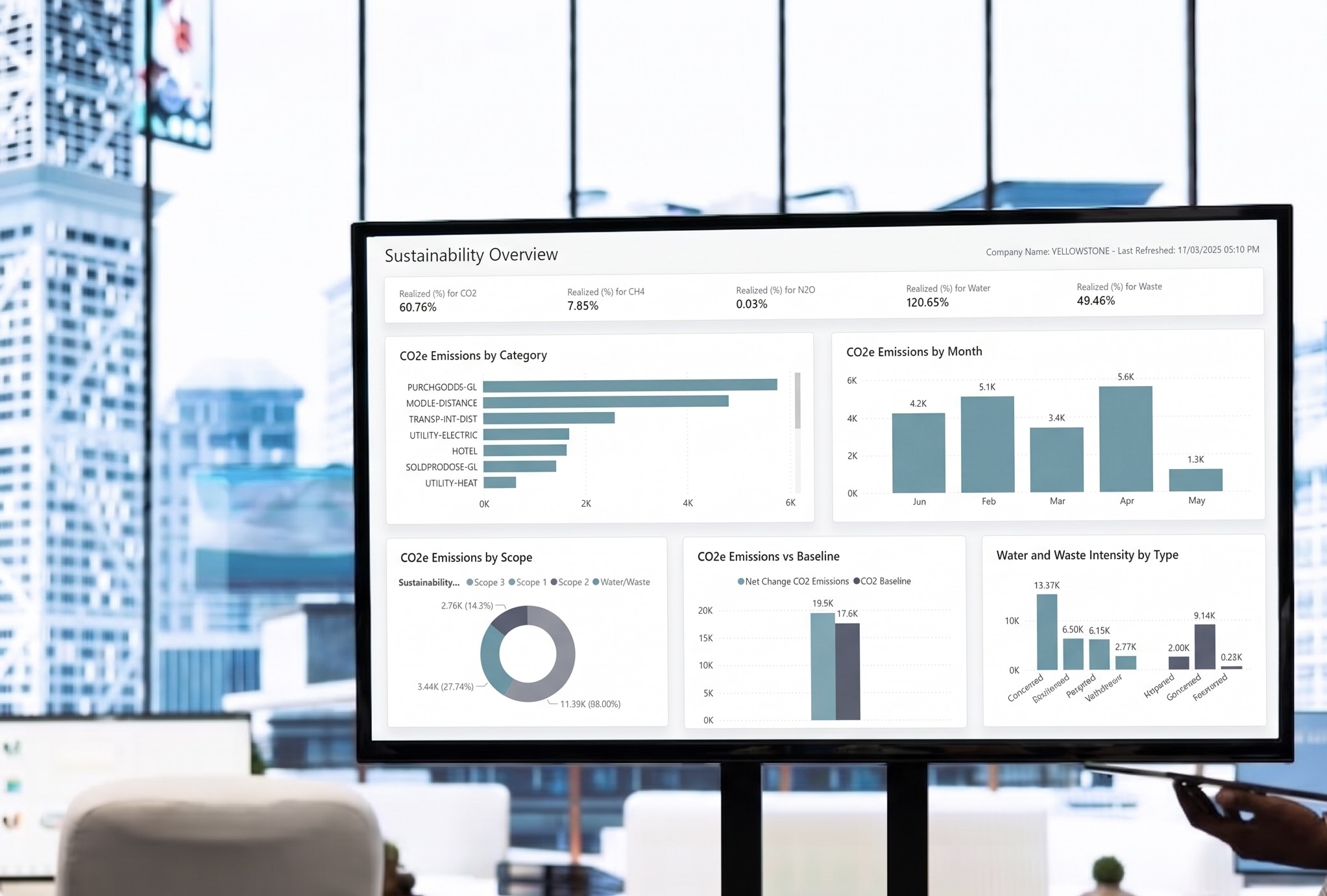
A defining trend for ERP in 2026 is the integration of intelligence and automation. Business Central, especially when aligned with Power BI and the broader Dynamics 365 stack, delivers real-time dashboards and predictive insights that help business leaders make faster, smarter decisions, a capability increasingly essential in competitive markets.
4. Seamless Microsoft Ecosystem Integration
One of Business Central’s strengths is its tight integration with the Microsoft ecosystem. For organisations already leveraging Microsoft 365, Azure and Power Platform, this means streamlined workflows, better productivity tools, and reduced friction between business processes.
Overcoming Challenges and Maximising Value
While the benefits are clear, SMBs must still navigate challenges like change management and implementation complexity. Partner-led deployments, such as those offered by Creative, ensure smoother transitions by aligning configuration, training and support with business goals.
Organisations that embrace best practices, such as prioritising user adoption, leveraging analytics early, and extending capabilities with tailored Power Apps, unlock even greater ROI and future-proof their operations.
Looking Ahead: Trends Shaping ERP in 2026
As digital transformation accelerates, ERP will continue to evolve:



.jpg)
.jpeg)
.png)

.jpg)